Crystallised Honey, Rekindled Hope: How a Surprise Harvest Revived the Spirit of Beekeepers at Living Stream CDC
Beekeeping, often dubbed “liquid gold farming,” has once again proven its power, not just as a source of income but as a catalyst for renewed hope and enthusiasm. At the Living Stream Child Development Centre in the Kwahu Afram Plains North District, what began as a quiet training session has blossomed into a growing buzz […]
Beekeeping, often dubbed “liquid gold farming,” has once again proven its power, not just as a source of income but as a catalyst for renewed hope and enthusiasm.
At the Living Stream Child Development Centre in the Kwahu Afram Plains North District, what began as a quiet training session has blossomed into a growing buzz of inspiration, thanks to one surprise honey harvest.
In September 2023, thirty-one (31) caregivers (23 women and 8 men) from Living Stream Child Development Centre were trained in sustainable beekeeping by Bees for Development (BfD) Ghana.
Kwadzo Asante, the leader of Living Stream CDC Group 1 with a honeycomb
The participants, mostly women, were grouped into two, and each group established an apiary of eight top bar hives, strategically located on cashew farms in Asikesu. Though their beginnings were full of promise, the following months tested their commitment.
Despite periodic visits to the apiaries, the beekeepers’ morale gradually dipped. The enthusiasm that once accompanied hive installations and protective gear gave way to discouragement.
Even Mr. Arnold Ayem, Director of Living Stream Child Development Centre, expressed disappointment: “We supported our caregivers to become beekeepers, but we have not heard any good news from them,” he lamented to a staff member from BfD Ghana.
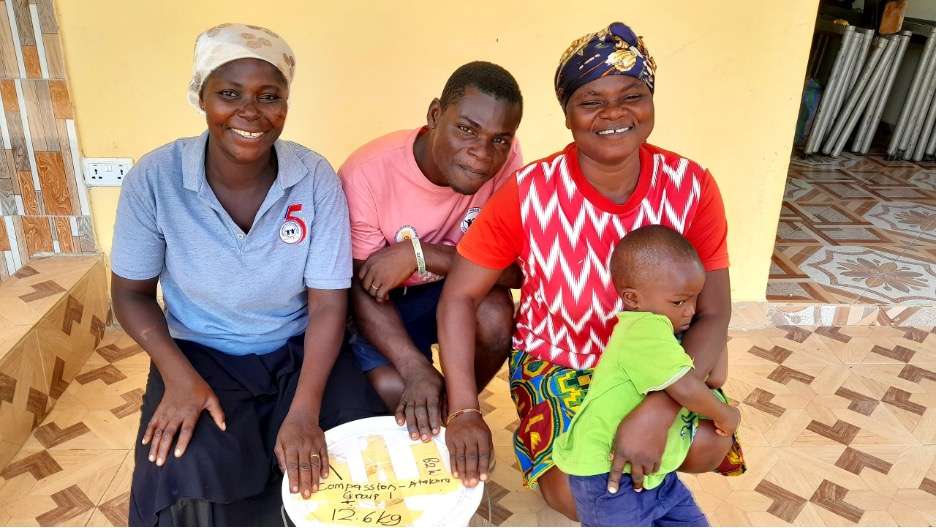
The group with their honey harvest
That narrative took a dramatic turn during a routine inspection of Group One’s apiary. Joined by a BfD Ghana field officer, the group discovered something extraordinary—beautifully crystallised honey in one of their colonised hives, produced from the surrounding cashew blossom. That very evening, after sunset, the team harvested the honey: five top bars yielded 12.6 kilograms of crystallised honeycombs.
The surprise wasn’t just in the honey itself, but in its market value. The harvest was sold at BfD Ghana’s Honey and Beeswax Trade Centre in Donkorkrom, fetching GH¢315.00—an eye-opening return for the beekeepers. The buzz was back.
“I didn’t know that beekeeping is profitable like this. I think I have to join them,” said Mr. Ayem, visibly impressed by the outcome. Inspired by the success, he announced the production of 10 additional top bar hives—five for each group—and committed to sharing smokers and other tools with the teams.
Group 1 of Living Stream CDC dressed for honey harvesting
On the spot, he called Group Two and urged them to recommit to their apiary, saying, “Abobea, I have seen that beekeeping is more profitable than poultry production. Please, organise yourselves and take good care of the hives.”
Shortly after, the second group visited their apiary with the field officer. They were delighted to find two active colonies and watched in awe as bees busily worked inside the hives. With renewed confidence, they pledged to take better care of their apiary going forward.
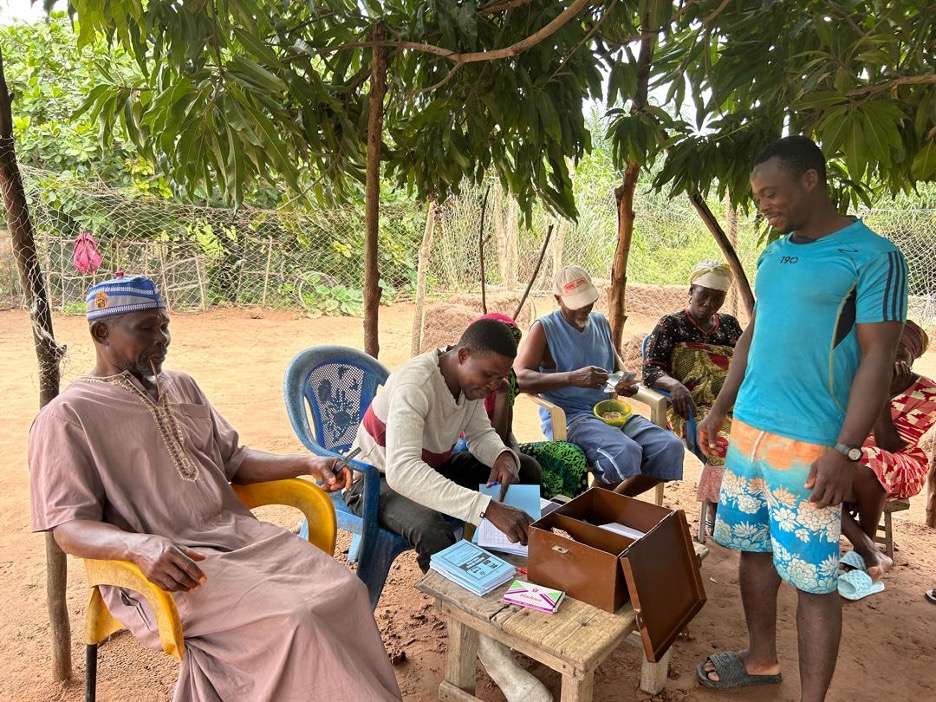
Group leaders at the BfDG Honey and Beeswax Trade Centre to sell their honey
This single harvest—just 12.6 kg of crystallised honey—has become more than a product of bees and blossoms. It has become a symbol of hope and a spark for economic empowerment, particularly for the women caregivers who now see beekeeping not just as a skill but as a viable livelihood.
The story of the Living Stream Child Development Centre beekeepers reminds us that nature rewards patience—and that even in quiet cashew groves, the bees are working wonders.
Other Stories
News
Empowering Beekeepers Through Financial Literacy in the Kwahu Afram Plains
Since 2019, we have been transforming rural livelihoods in the Kwahu Afram Plains through its sustainable beekeeping initiative. Beyond producing honey, this approach empowers communities to restore forests, build income resilience, and improve well-being. Through our hands-on training, participants learn about bee behaviour, hive construction using locally available materials, apiary establishment and management, forest conservation, and […]
Read Story →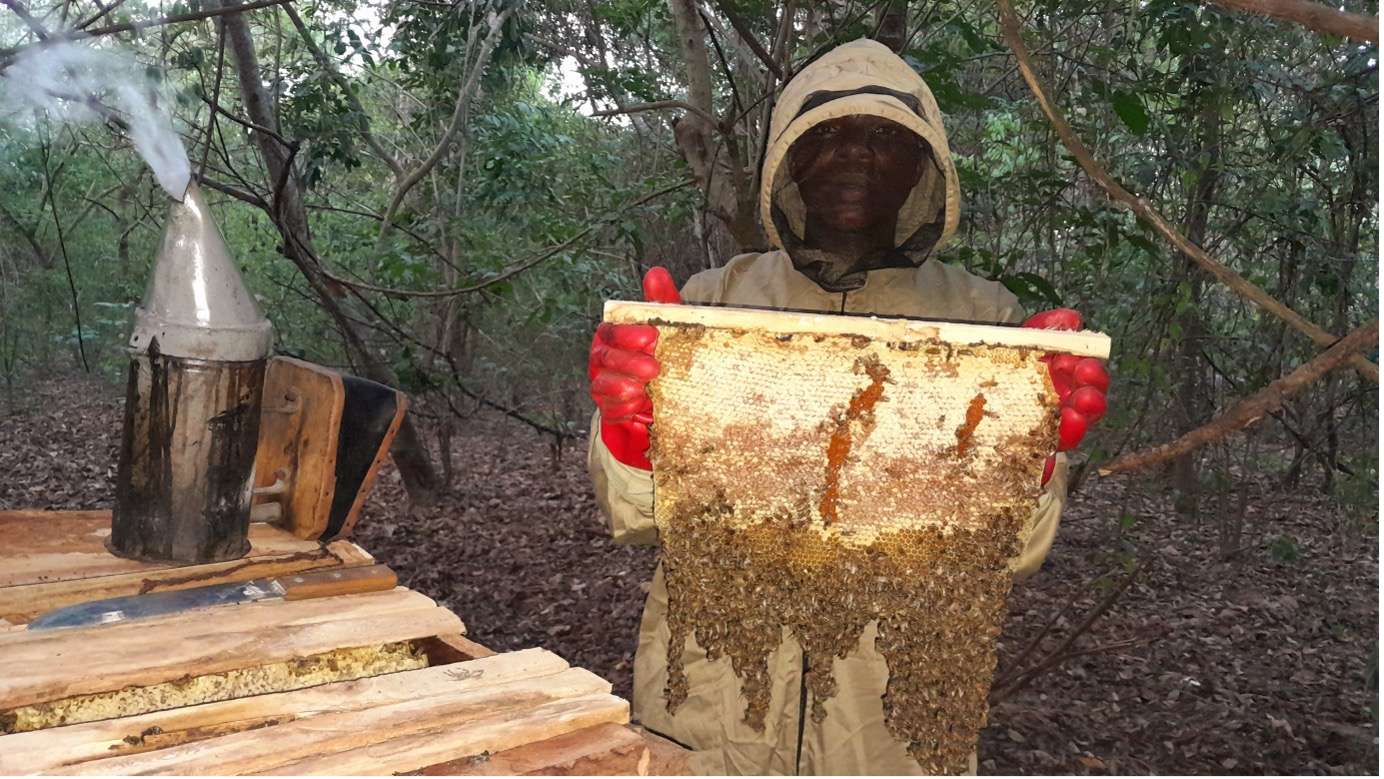
News
Beekeeping Income Inspires Others to Start Beekeeping in Kwahu Afram Plains
In the heart of the Kwahu Afram Plains, a quiet revolution is taking place—one hive at a time. For Felix Agbalenyo, a young resident of Kofinyina near Donkorkrom, the decision to start beekeeping has not only changed his life but is also inspiring others across the area to follow suit. Felix, who earns a living […]
Read Story →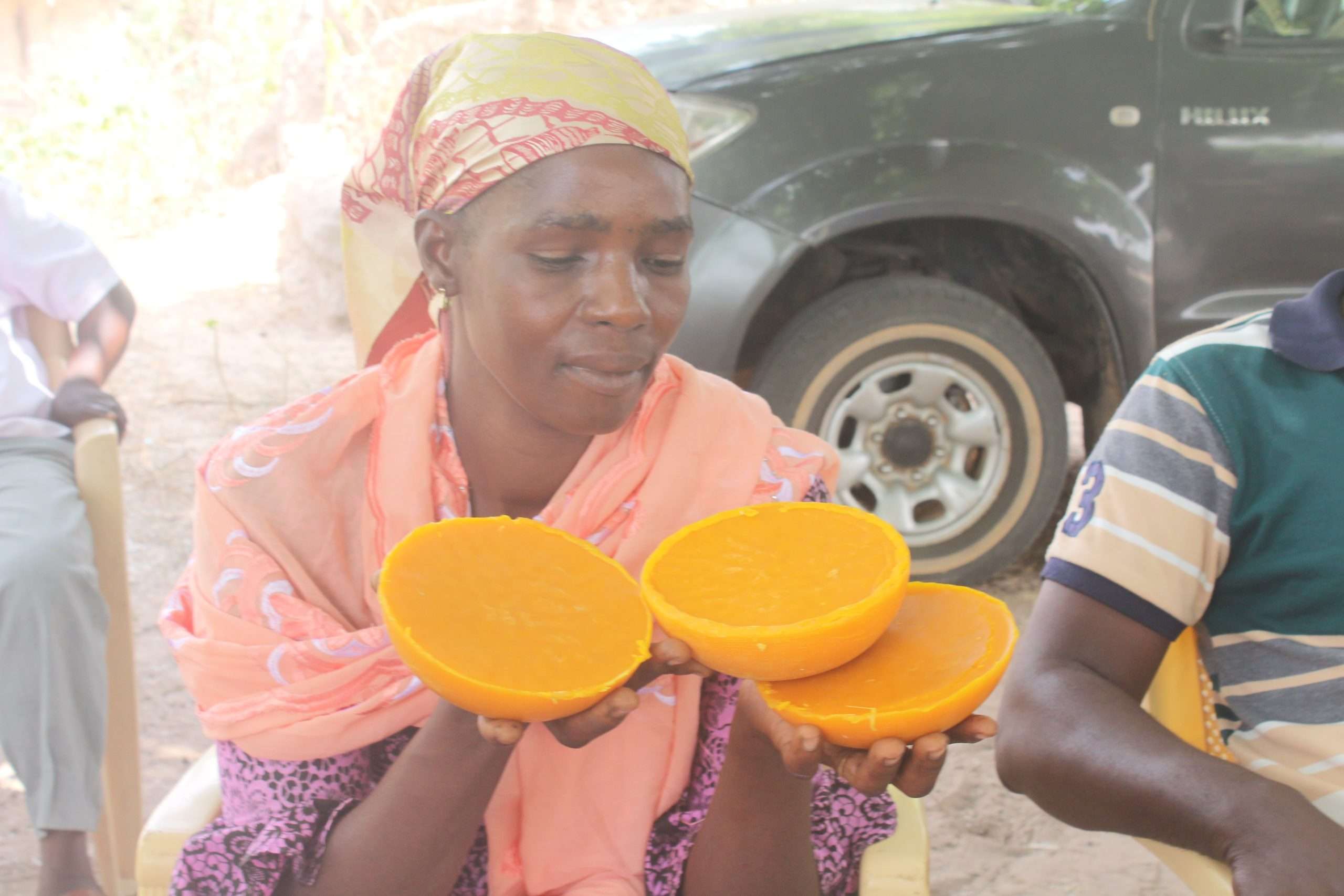
News
Honey hunting to beekeeping: The story of Hawa Ibrahim, the best beekeeper in Kwahu Afram Plains
Hawa Ibrahim, a 52-year beekeeper who used to engage in honey hunting with her husband, lives in a small village [Kojorbator] on the fringe.
Read Story →