Six New Buzz Clubs Established in Kwahu Afram Plains
Bees for Development Ghana has established six new Buzz Clubs across the Kwahu Afram Plains, furthering its mission to promote sustainable beekeeping and environmental stewardship among the young ones. These newly established clubs, which will directly benefit about 200 children in six schools, take the number of Buzz Clubs established in Ghana to seventeen (17) […]
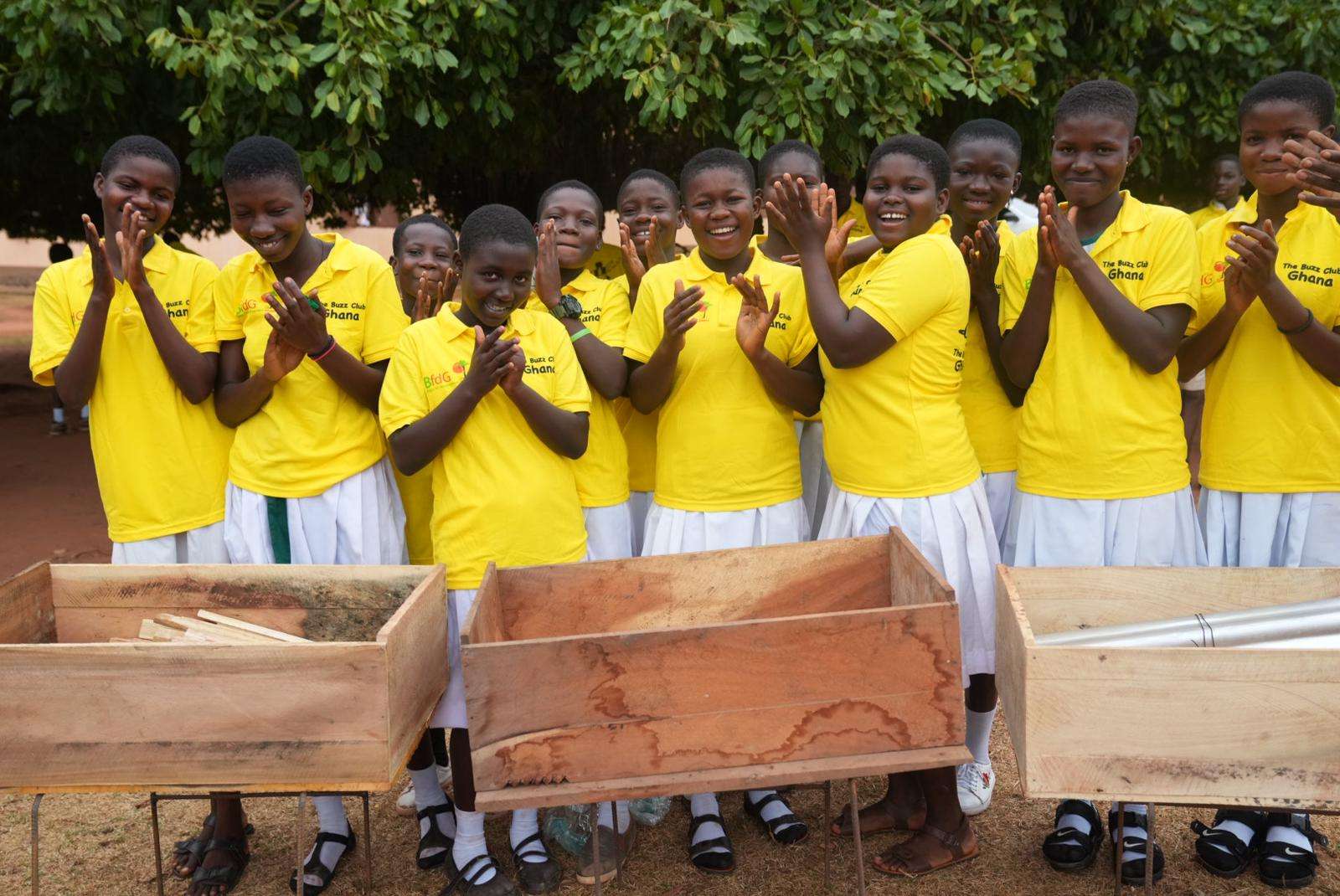
Bees for Development Ghana has established six new Buzz Clubs across the Kwahu Afram Plains, furthering its mission to promote sustainable beekeeping and environmental stewardship among the young ones. These newly established clubs, which will directly benefit about 200 children in six schools, take the number of Buzz Clubs established in Ghana to seventeen (17) clubs.
The Buzz Club offers the opportunity for basic school children in Ghana to learn about bees and other pollinators, the role of bees in food production, and biodiversity conservation. The children also learn the art of beekeeping to produce honey and other hive products as well as develop their entrepreneurial skills at this young stage.
Thirteen (13) basic schoolteachers have undergone a week of intensive training to manage these clubs. The teachers were equipped with the skills necessary to impart knowledge and skills on sustainable beekeeping with hands-on sessions on hive making, and environmental and/or biodiversity to their pupils.
Teachers learning how to hang swarm box to catch swarm
Additionally, the teachers discussed broader environmental and biodiversity conservation, emphasising the role of sustainable practices in protecting and preserving natural resources around them. Again, the teachers went through sessions of value addition to honey and beeswax. The participants made various products including mosquito repellents, lip balms, candles, cough mixture, and fruit juice.
Teachers learning how to make lip balms from beeswax
These newly established Buzz Clubs in six schools will serve as platforms for the school children to learn about beekeeping and environmental conservation in a practical, hands-on manner. The clubs will establish teaching apiaries and teachers’ apiaries – proceeds from the teachers’ apiaries serve as rewards for the teachers managing these clubs.
By involving young learners in these activities, Bees for Development Ghana aims to cultivate a new generation of environmentally conscious individuals who can contribute to sustainable agricultural practices and management of their environment in the future.
To support the activities of these clubs, six complete sets of beekeeping equipment, including hives, bee suits, hive tools, club polo shirts, etc., have been handed over to the newly established Buzz Clubs. This equipment will enable practical beekeeping learning experiences for the club members and their teachers, allowing them to gain first-hand knowledge of beekeeping and its benefits.
Atakora Buzz Club teacher taking delivery of a set of beekeeping equipment
“This training has opened my eyes to the critical role bees play in our ecosystem. I’m excited to share this knowledge with my pupils and to see them become passionate about beekeeping and environmental conservation. The skills we’ve gained here will help us guide the next generation toward more sustainable practices. I’m particularly excited about the value addition, especially the making cough mixture and candle. I am happy we have a simple and easy-to-make remedy for cough which is common among my pupils. Kids learning how to make candles to help them make their candles at home, so they use it as the source of light to do their homework – most communities around Afram Plains have no electricity.”
Ms Olivia Kafui, a Teacher at Atakora D/A Basic School said.
“The training was very informative and hands-on. I believe that through the Buzz Clubs, our students will not only learn about beekeeping but also develop a deeper appreciation for the environment. Making hives from local materials like cane and bamboo, and preparing cough mixture from honey and other local ingredients were very interesting to me. Catching swarms for the first time was so exciting. This is a valuable addition to their education.”
Mr Akeapawe Anelogo Regatus, a Teacher at Semenhyia School also commented.
About 400 school children have directly benefited from the Buzz Club project. Sixty (60) children have since graduated from the clubs. The teachers of the old clubs are applying their skills and knowledge to earn additional income from active beekeeping aside from their salaries – new teachers are expected to do the same.
The initiative is expected to have a lasting impact on the communities in the Kwahu Afram Plains, fostering a culture of environmental responsibility and sustainability from a young age.
Teachers visit apiary
Other Stories
News
Empowering Beekeepers Through Financial Literacy in the Kwahu Afram Plains
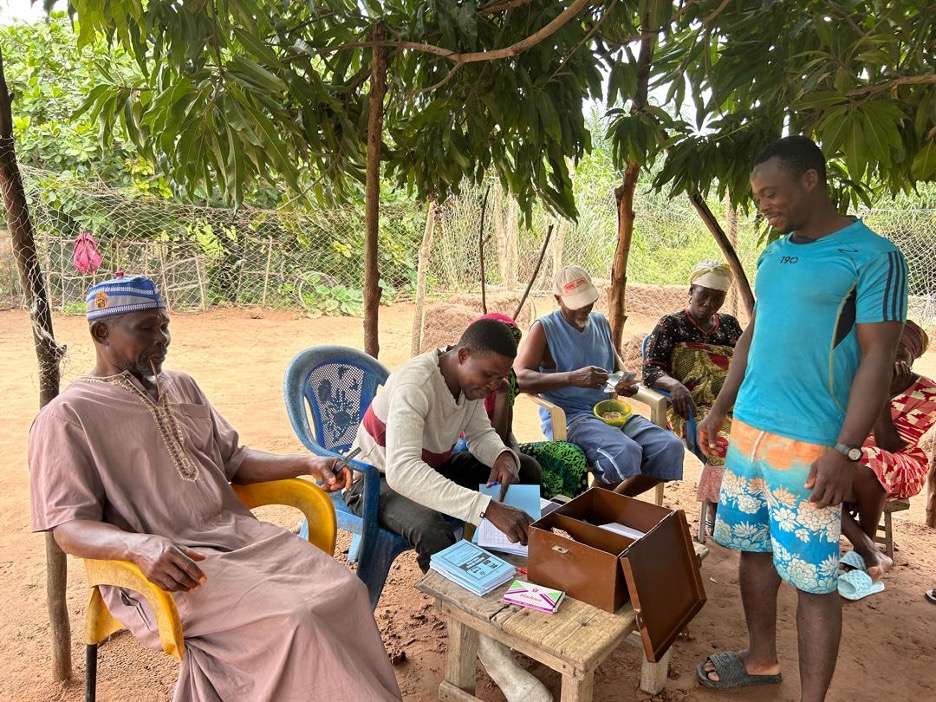
Since 2019, we have been transforming rural livelihoods in the Kwahu Afram Plains through its sustainable beekeeping initiative. Beyond producing honey, this approach empowers communities to restore forests, build income resilience, and improve well-being. Through our hands-on training, participants learn about bee behaviour, hive construction using locally available materials, apiary establishment and management, forest conservation, and […]
Read Story →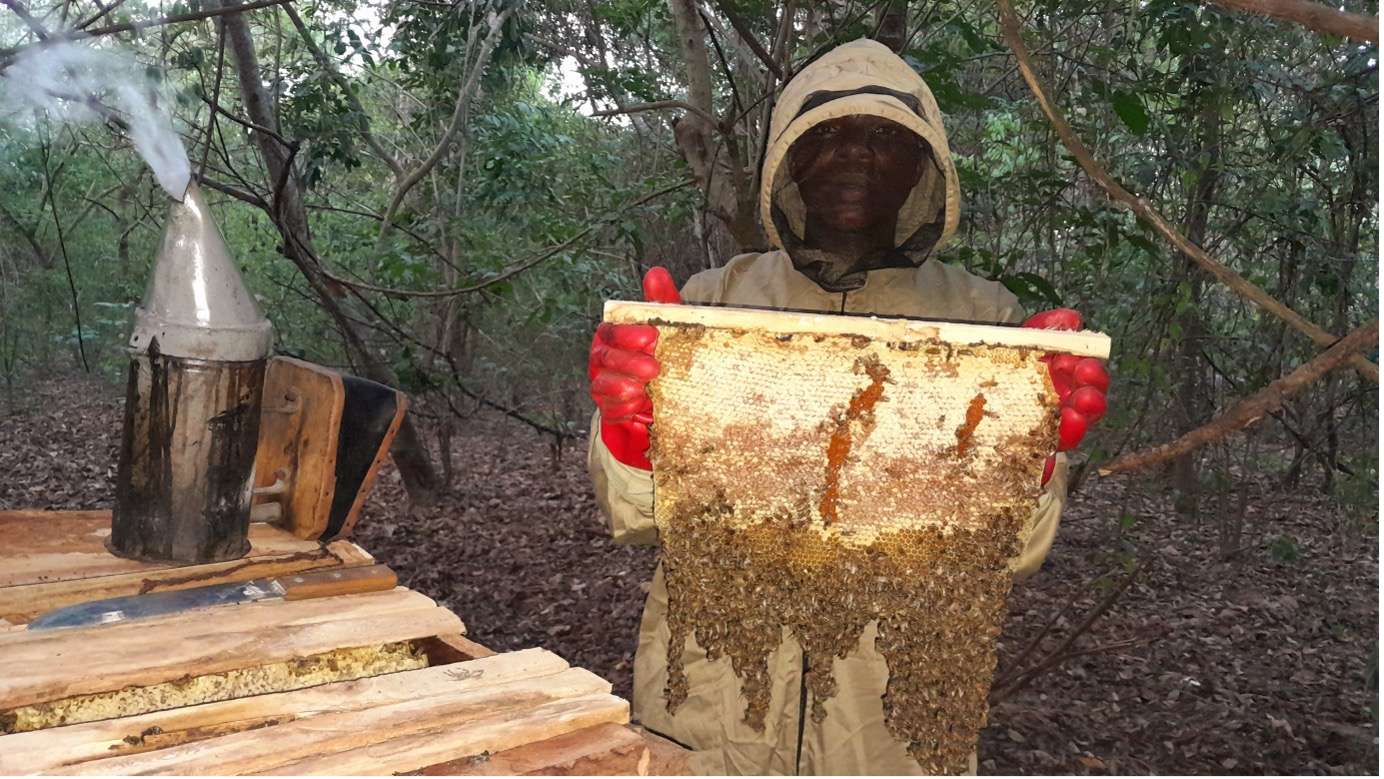
News
Beekeeping Income Inspires Others to Start Beekeeping in Kwahu Afram Plains
In the heart of the Kwahu Afram Plains, a quiet revolution is taking place—one hive at a time. For Felix Agbalenyo, a young resident of Kofinyina near Donkorkrom, the decision to start beekeeping has not only changed his life but is also inspiring others across the area to follow suit. Felix, who earns a living […]
Read Story →
News
Honey hunting to beekeeping: The story of Hawa Ibrahim, the best beekeeper in Kwahu Afram Plains
Hawa Ibrahim, a 52-year beekeeper who used to engage in honey hunting with her husband, lives in a small village [Kojorbator] on the fringe.
Read Story →